Now Hiring

Luxury Vinyl Tile (LVT)

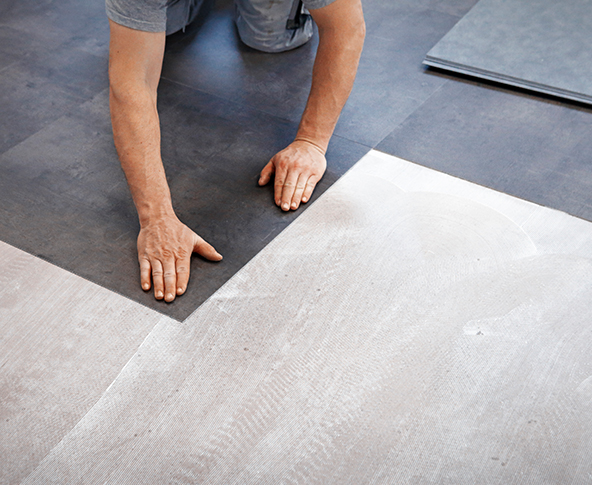
Luxury vinyl tile (LVT) captures the look of natural stone while providing a durable, waterproof flooring option. It's ideal for bathrooms, kitchens, basements and other moisture-prone areas where style and easy maintenance are important.

How Much Does LVT Cost?

LVT is a cost-effective alternative to stone floors, as it ranges from $4-$12 per sq. ft.

Benefits of Luxury Vinyl Tile

  • 1. Durable

    LVT is a 100% waterproof, mold- and climate-resistant option for high-humidity environments. LVT is perfect for bathrooms, kitchens and basements. Luxury vinyl tile lasts for over 20 years and is ideal for heavy-traffic areas because of its scratch-resistant properties.

  • 2. Affordable

    LVT offers the look of natural stone at a lower cost than ceramic, porcelain or natural stone while also reducing installation expenses.

  • 3. Eco-Friendly

    Many LVT products are manufactured using recycled materials, making them an environmentally conscious flooring option.

  • 4. Versatile

    Available in a wide range of colors, textures and patterns, LVT complements virtually any design style.

  • 5. Easy to Install

    LVT is easily installed by click-lock or glue-down formats. Its simplicity makes for a quick, straightforward installation.

Benefits of Luxury Vinyl Tile

Porcelain Tile

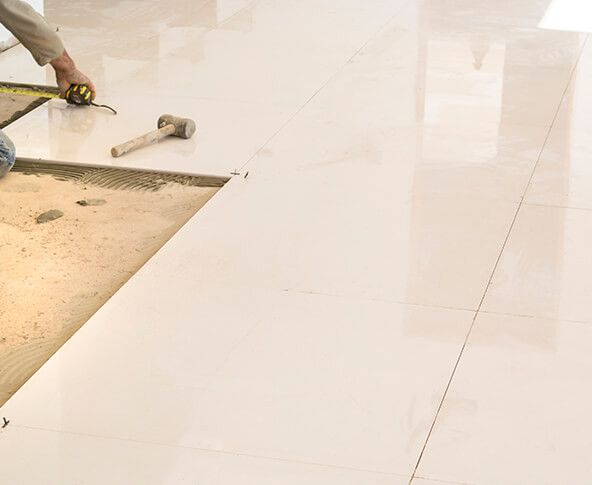
Porcelain tile is more durable than standard ceramic tile since it’s manufactured using higher temperatures. Porcelain is heavier than ceramic, more difficult to install and more expensive.

How Much Does Porcelain Tile Cost?

Porcelain tiles cost anywhere from $3-$30 per square foot. However, porcelain can last for more than 50 years and, if damaged, can be replaced individually rather than replacing the whole room, saving you money in the long run.

Benefits of Porcelain Tile

  • 1. Resistant to Wear & Tear

    Porcelain lasts longer than ceramic tile because it has fewer air pockets. The tiles are waterproof and scratch-resistant.

  • 2. Versatile

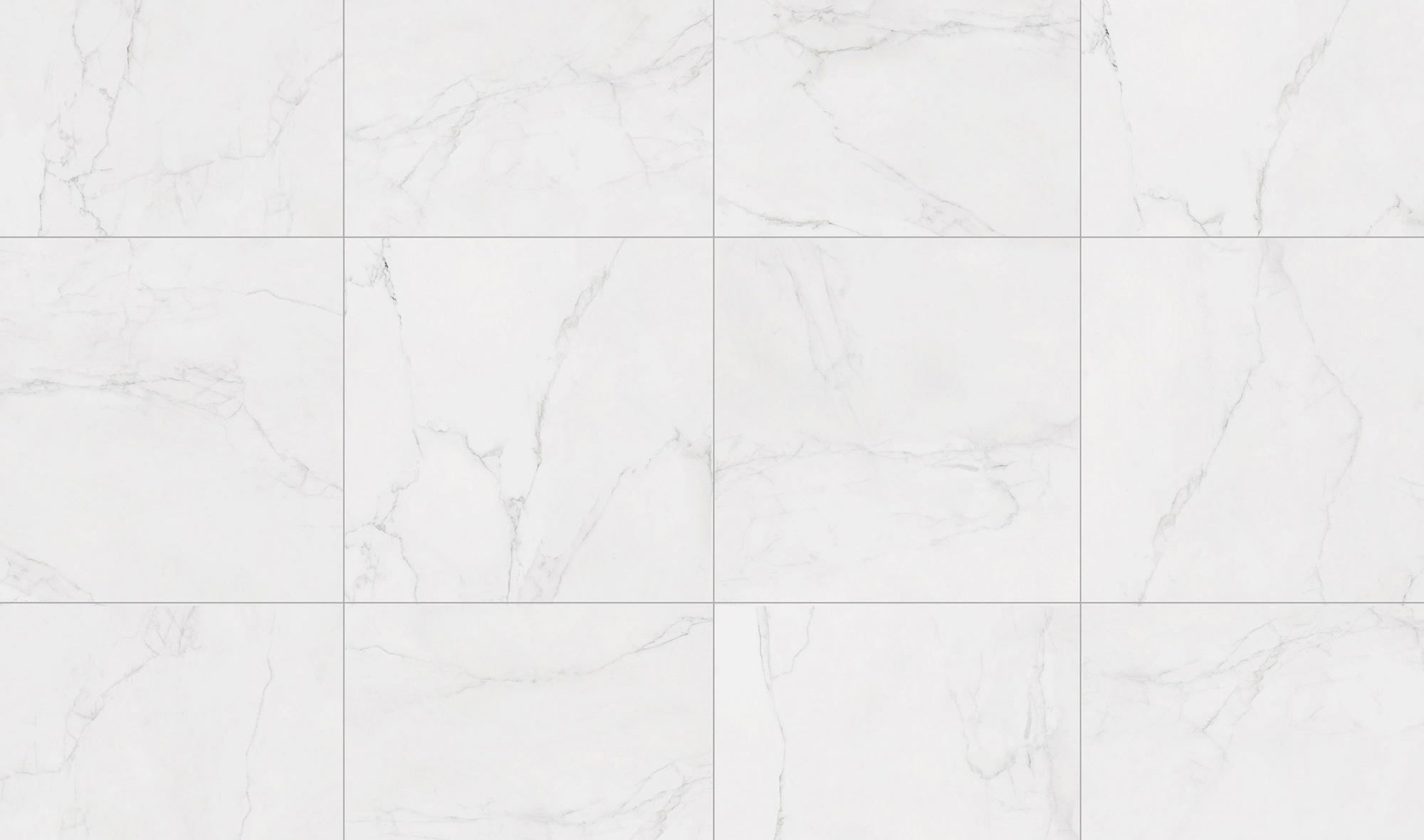
    Porcelain tile comes in several shapes and sizes and can mimic hardwood, marble or granite. The tiles can be installed in any shape or pattern to match your style.

  • 3. Moisture Resistant

    Ideal for kitchens and bathrooms, porcelain tile is more resistant to dampness and cracking than ceramic tile because porcelain is less dense and porous.

  • 4. Low Maintenance

    Porcelain tile requires only routine sweeping and occasional mopping to maintain its appearance. Its stain-resistant surface is easy to clean.

  • 5. Hygienic

    Choose porcelain tile for maintaining a hygienic indoor environment. Its hypoallergenic properties and resistance to bacteria and mold growth help to keep living spaces clean.

Benefits of Porcelain Tile

Benefits of Limestone Tile

  • 1. Color and Pattern Variety

    Limestone comes in a variety of natural, earth-tone shades and textures. Tiles can be placed in unique patterns like Chevron or Versailles, ideal for a broad spectrum of interior and exterior design styles.

  • 2. Increased Resale Value

    Limestone dates back to the pyramid construction in Egypt and continues to have a lasting modern appeal. Due to its timeless look, limestone increases your home’s resale value!

  • 3. Easy Maintenance

    Regular sweeping helps to remove dust and debris, while occasional mopping with a pH-neutral cleaner keeps the tiles clean without damaging their natural finish.

  • 4. Durability

    Limestone has exceptional durability as a natural stone. Natural stones are resistant to scratching, mold, bacteria and water damage. Its robust nature makes limestone a reliable choice for high-traffic and high-moisture areas.

  • 5. Natural Coolness

    Limestone naturally stays cool underfoot, making it a comfortable flooring choice during warmer months.

Benefits of Limestone Tile

Tile floors are superior in resistance to moisture, spills, floods, and denting. Our wide selection of PVT, porcelain and limestone guarantees you’ll find a tile you love for your Wisconsin home.

Contact the Flawless Flooring team today with your questions on our tile selection!

Frequently Asked Questions

LVT vs. LVP

LVT comes in rectangular or square shapes and mimics the look of stone or ceramic tiles. During installation, the tiles are either glued down or installed using the floating method. LVT is commonly used in bathrooms or kitchens where stone tiles are traditionally seen. LVP resembles hardwood planks and mimics several wood types, patterns and textures. Planks are installed using a floating method without adhesive. LVP is used in spaces where hardwood flooring is desired but cannot be used due to moisture.

What is the difference between ceramic tile and vinyl flooring?

Vinyl flooring is versatile, cost-effective and easy to install. Ceramic tile is durable, aesthetically pleasing and heat-resistant.

Is porcelain or ceramic tile better?

Both are excellent options. Porcelain is denser and more water-resistant, while ceramic offers exceptional design flexibility and is often more budget-friendly.

What types of tile do you install?

We install porcelain, ceramic, natural stone, glass, mosaic and other specialty tile products for floors, showers, backsplashes and custom projects.

Can tile be installed over existing flooring?

In some cases, yes. We'll inspect your existing floor to determine whether it provides a suitable foundation or if removal is recommended.

Your Neighbors Love Our Work! With 99% Satisfied Customers - See For Yourself

Address
Flawless Jobs Map